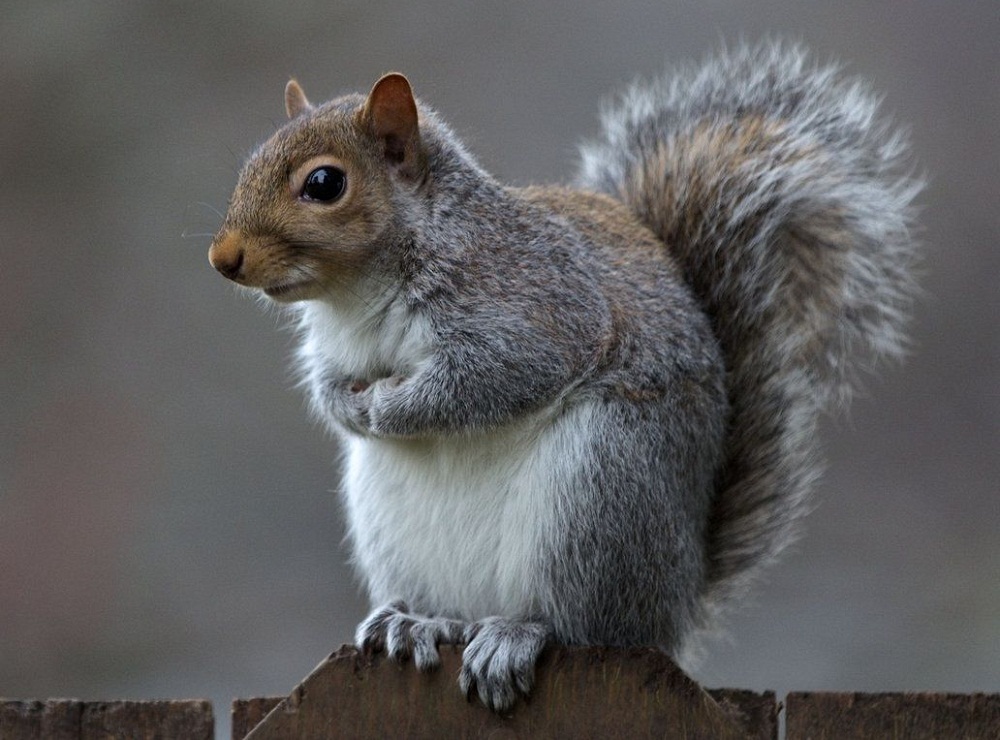
The Spanish word esquirol looks like the English word “squirrel,” but that’s not what it means. The name for the animal in Spain is ardilla, which comes from an old Iberian language word. In Spanish, esquirol means “strikebreaker.”
Here’s what happened: In Catalonia, in eastern Spain, the word in the Catalan language for the animal is esquirol, which comes from the Latin sciurus, which comes from the Greek skiouros. The English word shares the same root.
Toward the end of the 19th century, in a town near Barcelona named Santa Maria de Corcó, an inn had a pet squirrel in a cage at its entrance. Eventually the town began to be called “L’Esquirol” after the Inn of the Squirrel.
In 1902, 1908, and 1917, textile workers in the nearby towns went on strike, and workers from L’Esquirol offered to work in place of the strikers. So “strikebreaker” became esquirol — a term of disrespect, like scab in English.
That’s how the Latin-based word for “squirrel” finally entered the Spanish language. But the term has no connection with the cute little animal except for that minor historical accident.
When words travel from one language to another, they don’t always arrive safely.
Squirrels themselves are concerned about their own safety. Urban squirrels seem to believe that they’re safer close to noisy streets, even though they might become roadkill, because cars scare away their predators.
Here in Chicago and many parts of the United States, the animal that symbolizes a strikebreaker is a rat, specifically a rat named Scabby. The giant inflatable rat, often used by labor unions in street protests, is protected by free speech laws.
Chicago’s actual rats are preyed on by our urban coyote population, which traveled from the countryside to our streets, and we’re glad to have them.


