Don’t just say no

Rejections and fun don’t mix – except this one time.

I wrote a horror story about vampires and started sending it out. The story made the second cut in an anthology but not the final one. Oh, well. I sent it out again right away and got a response of “close, very close” from the editor. Not bad!

Then … the very next magazine rejected it with a note saying that it was “cruel and evil.” Evil? A vampire horror story? Isn’t that the point? I laughed about it with my writer friends, and for a while I was known as “the evil Sue Burke.”

The next magazine rejected it with (this was by snailmail) a preprinted note saying: “We celebrate your achievement!” Although the editors couldn’t take the story, the note said, they wanted me to know how proud they were of me for having written it and taken part in the furtherance of literature. Or something like that. I think they meant it because they dropped a sprinkle of confetti into the envelope — really cool confetti. I used it to decorate my desk lamp.

I kept sending the story out, got rejections both bland and encouraging, and on the 21st try, I found a magazine that loved it and took it. A few years later the story was even reprinted in an anthology. All’s well that ends well.

I learned four things from this adventure:

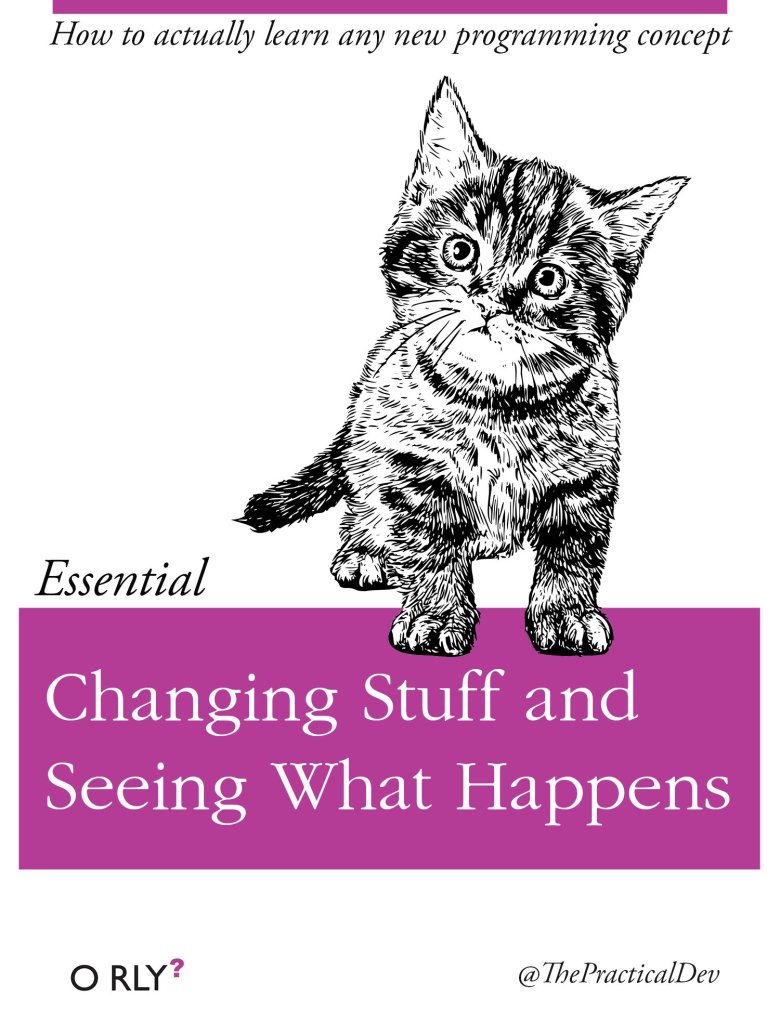
1. Confetti should accompany all rejections. Or, now that we send most things out via internet, a picture of a cute kitten. How hard would that be?

2. Rejections are about the story, not about the writer, which is too bad because I’d really like to be evil.

3. As we all know, rejections are a necessary step toward publication. We can even make a game out of them. I wish I could remember who I learned this from so I could give her credit: Try to see if you can achieve a certain number of rejections in a single day. She suggested five, so I made that my goal. The most I’ve ever gotten is three.

4. I need more rejections if I’m ever going to win the rejection game, which means I have to get more submissions out there. So, if you’ll excuse me, I’m going to go write something, and as a parting gift, here’s a picture of a cute kitten. Celebrate your next rejection with it. We all deserve a little fun.
Let me talk you out of writing

“If anyone can talk you out of writing, they should.” I think Harlan Ellison said that — at least, it sounds like something curmudgeonly he would say.

Here’s why you shouldn’t be a writer:

You’re not talented enough. Actually, this is a lie. Of course you have talent. We’re all born talented. Children love to make things, and so did you when you were young. Then you may have absorbed the Romantic Era myth of the artist as a hero who effortlessly produces works of staggering genius that are perfect in the first draft. You can’t do that. Neither can I. Neither could they. If you poke into the biographies of the great, heroic writers, you’ll find they studied hard, worked like dogs, and rewrote endlessly.

You’re too scared. This might be true. But what exactly are you afraid of? Making mistakes? Failure? Rejection? There are all kinds of fears. The Writer’s Book of Doubt by Aidan Doyle lists a wide variety of them. I own the book and I’m scared to read it, although the book also explains how fears can be overcome.

You might not know enough about the writing business. As a result, you have unrealistic expectations, whether you want to try traditional publishing or self-publishing. (Writing without the intent to publish is fine, of course, and if that’s your goal, ignore this paragraph.) However, you can learn about the business. The information is freely available, but…

You don’t want to work hard. And it’s going to be very hard work. This might be the most common reason for not writing. I don’t like to work hard, either. It’s lonely, sometimes boring, and, well, hard. There’s always more to learn, and it’s easy to get lost in books and conferences about writing rather than to sit down and write. Or to watch TV or doomscroll rather doing the research, planning, writing, rewriting, more rewriting, and even redrafting. “The first draft of anything is shit,” as Ernest Hemingway probably said.

When I talk to people who aren’t writers, rewriting turns out to be the thing they find impossible to understand. They can’t imagine needing to rewrite a dozen or more times.

When I talk to people who are experienced writers, they whine about how hard the work is, but they’ll rewrite until it’s right, and they’ll do all the other tasks the job involves. They’ve learned how to work hard.

Do you still want to write? Good. I wish you every kind of success, whatever success means to you. If you want more encouragement, I recommend this free comic, Art & Courage: A Guide to Sustaining a Creative Path, created by the Applied Cartooning Lab. It addresses all kinds of art, not just writing or cartooning.

And finally, here’s some writing advice that keeps me going:

“Write a little every day, without hope, without despair.” — Isak Dinessen. That is, you’ll have good days and bad days, sometimes good months and bad months, and letting it affect your self-definition or self-worth will leave you emotionally exhausted. You can’t write if you’re too tired.

For me, writing (and other art) contains within itself a constant source of joy. If you look at the faces of athletes as they enter a stadium or field, many wear big grins. They’re about to do the thing they love the most. They’ll get to work as hard as they can and as smart as they can. They can do their best. You can do that, too, if you choose a creative path, because excellence is always possible. Art lets you bring your whole self to your work.